Nigeria’s Fragile but Steady Economic Recovery
Nigeria’s economy, after years of turbulence, is showing slow but powerful signs of recovery, according to the Nigerian Economic Society (NES). Economists under the aegis of the NES noted that both Nigeria and other Sub-Saharan African countries are witnessing gradual economic growth following years of crises, although millions of citizens still struggle with hardship.
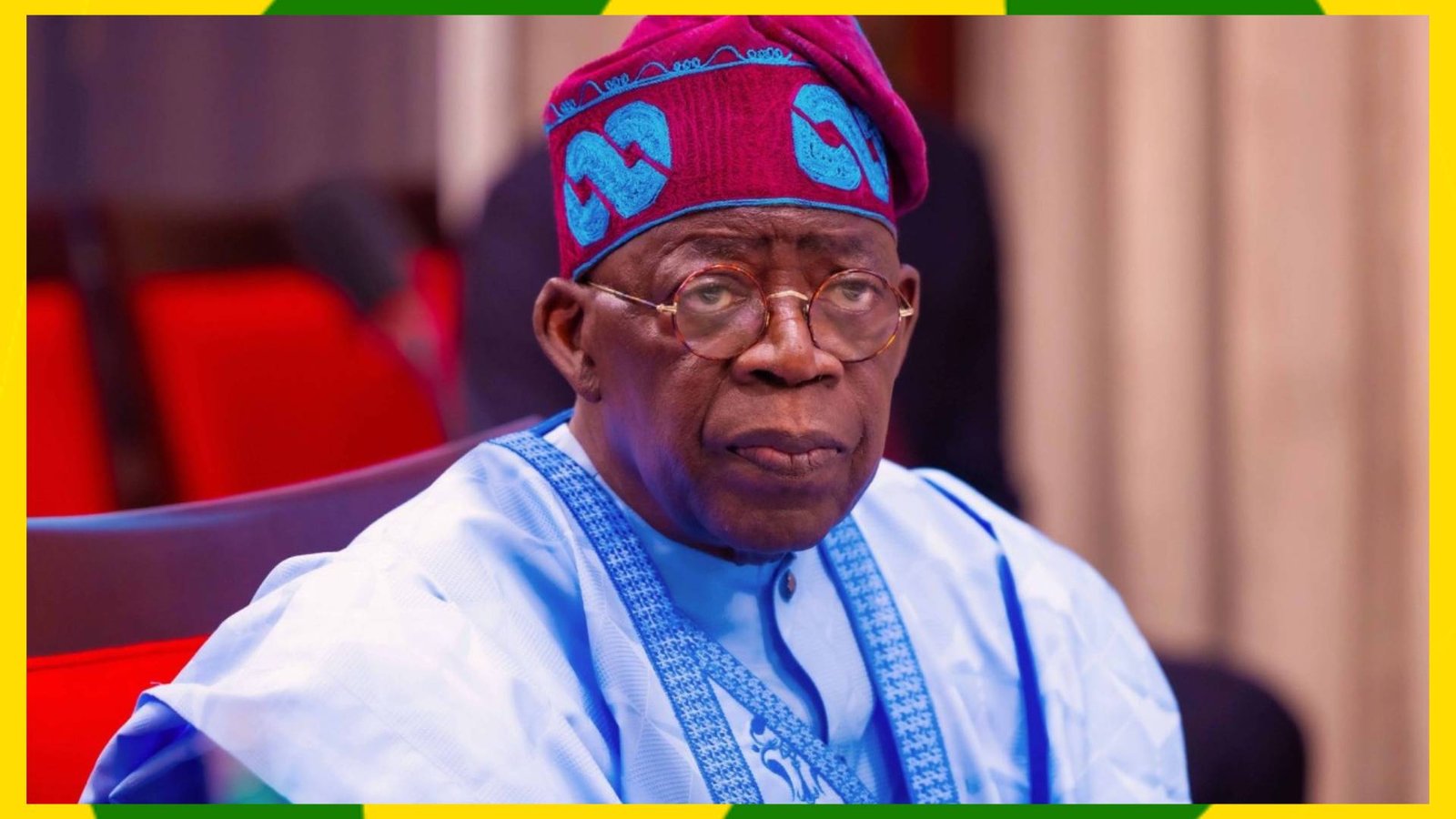
Speaking ahead of the NES 66th Annual Conference scheduled for September 8–11, 2025, the Society’s President, Prof. Adeola Adenikinju, emphasized that while optimism is growing, the recovery remains fragile and uneven.
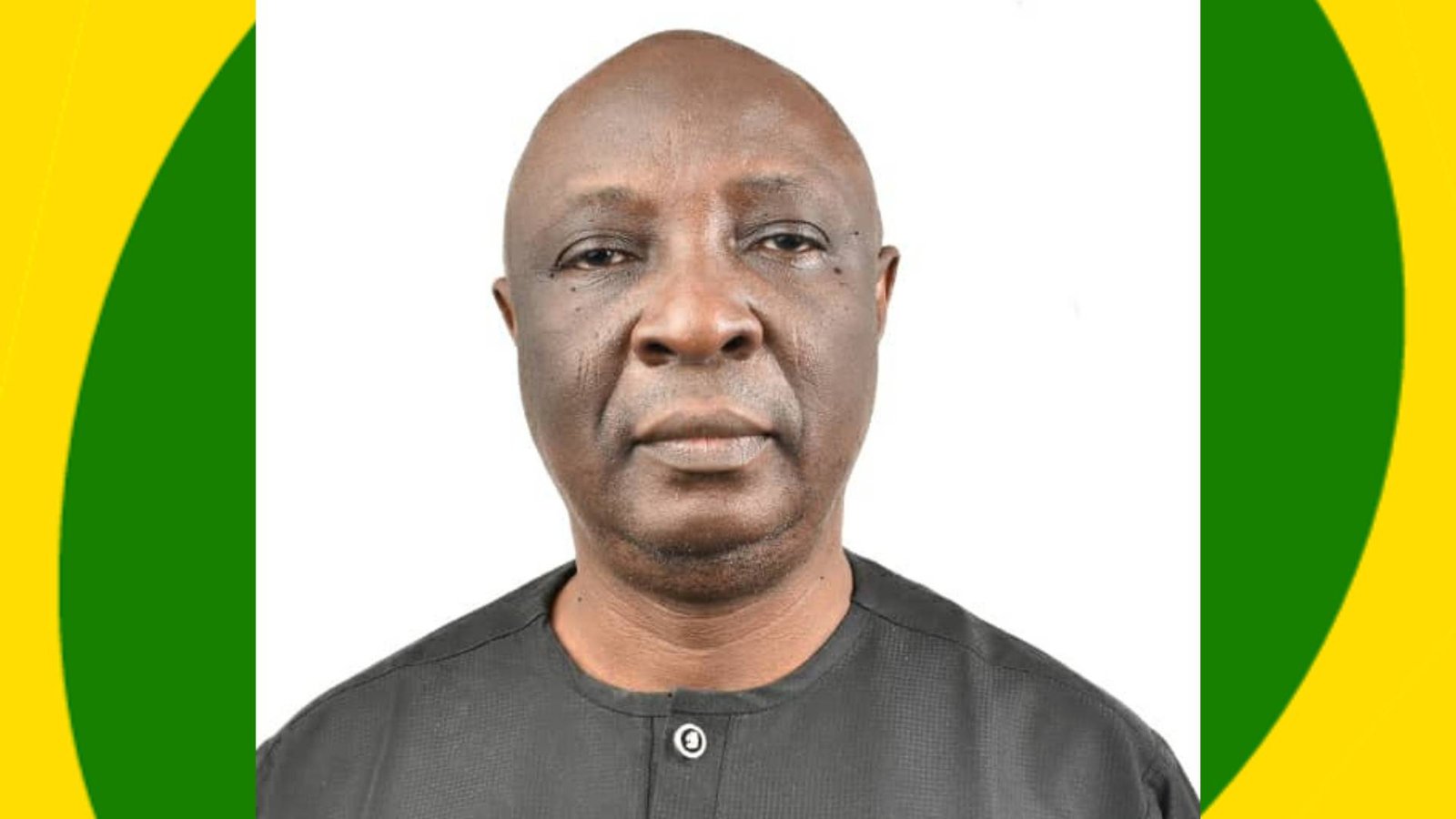
IMF and World Bank Forecasts for 2025
Recent projections from the International Monetary Fund (IMF) and the World Bank forecast Sub-Saharan Africa’s growth at about 4.0% in 2025, supported by easing inflation as tighter monetary policies take hold.
Adenikinju explained that while this outlook signals improvement, it still falls short of the transformation required to uplift living standards across the region.
The Harsh Realities Behind the Growth
Despite cautious optimism, Nigeria faces deep social challenges:
- 133 million Nigerians live in multidimensional poverty, lacking adequate education, healthcare, and basic living standards.
- One in every three people in Sub-Saharan Africa still lives below the poverty line.
- Weak social infrastructure remains a stumbling block to inclusive growth.
“Growth must not only be about GDP figures,” Adenikinju stressed. “True progress is measured by citizens’ dignity, opportunities, and access to essential services.”
Policy Reforms and Signs of Stability
The NES acknowledged that recent government reforms have produced encouraging outcomes. Official figures show a slight easing of inflation in July 2025 compared to previous months, pointing to the effectiveness of certain fiscal and monetary policies.
However, Adenikinju warned that these gains remain fragile and unevenly felt by households and businesses. Sustained reforms, he said, must translate into real benefits for Nigeria’s nearly 40 million MSMEs and households.
Global Challenges Affecting Nigeria’s Outlook
Beyond domestic issues, Nigeria and Africa face global headwinds:
- Technological shifts like AI, robotics, and biotechnology are reshaping the world while Africa lags with weak digital infrastructure.
- Climate change continues to threaten agriculture, food systems, and livelihoods.
- Africa accounts for just 3% of global renewable energy capacity, leaving the continent highly vulnerable to energy transitions.
NES Conference 2025: Shaping a Transformative Future
The upcoming 66th Annual NES Conference in Abuja, themed “Rethinking Africa’s Development: Pathways to Economic Transformation and Social Inclusion in a Changing Global Landscape”, will bring together policymakers, scholars, and industry leaders.
Adenikinju said the conference aims to chart a new roadmap for economic transformation, urging leaders to move beyond inherited assumptions and implement evidence-based policies that drive inclusive growth.
“Africa is not short of talent or entrepreneurial grit,” he concluded. “The real challenge lies in execution—turning ideas into tangible improvements in people’s lives.”
Conclusion
Nigeria’s economy is recovering slowly but powerfully, according to economists, yet the nation’s fragile stability must be turned into transformative growth. While global forecasts predict cautious optimism, the reality of widespread poverty highlights the urgent need for structural reforms, innovation, and inclusive policies.
The NES insists that the real measure of recovery will not be GDP numbers alone, but whether Nigerians experience dignity, opportunity, and improved living standards in their daily lives.