The Director China Cultural Centre and Cultural Counsellor of the Chinese Embassy in Nigeria, U Yang Jisnxing, says cultural and tourism exchanges can strengthen relations between Nigeria and China.
He made the remarks in Abuja at the “Shared Moon, Shared Moment: Meet in Africa — Hunan Culture and Tourism in Nigeria” cultural exchange programme, where he called for increased people-to-people exchanges between both countries.
Yang said cultural exchanges provided opportunities for Nigerians and Chinese to understand and appreciate each other beyond formal diplomatic and economic relations.
“Culture and art know no borders. A song, a dance or a sincere gathering can cross mountains and oceans and touch people’s hearts,” he said.
The envoy explained that the visit by the Hunan cultural delegation was aimed not only at showcasing Chinese culture and artistic traditions but also at promoting greater mutual understanding and friendship between the peoples of Nigeria and China.
READ ALSO: Nigeria-China Trade Rises 35% to $18bn
According to him, the programme was particularly significant because of the symbolic importance of the Mid-Autumn Festival, which is associated with family reunion, harmony and peace in Chinese culture.
“The same moon shines over us, though we may be thousands of miles apart. This expression is a reflection of the shared longing for reunion, harmony, peace and a better life,” he said.
He stressed that the values associated with the festival also resonated with Nigerian cultural traditions, particularly the importance attached to family, friendship and community.
Hunan Highlights Cultural Heritage
Yang said, “Hunan Province, known for its distinctive cultural heritage and traditions, had much to offer in tourism and cultural exchange.
The province had three World Heritage sites and nine elements inscribed on UNESCO’s Representative List of the Intangible Cultural Heritage of Humanity”.
He also highlighted the growing links between Hunan and Nigeria, particularly in trade, investment, culture and people-to-people exchanges.
“Since 2019, Changsha, Hunan, has served as the permanent host city for the China-Africa Economic and Trade Expo.
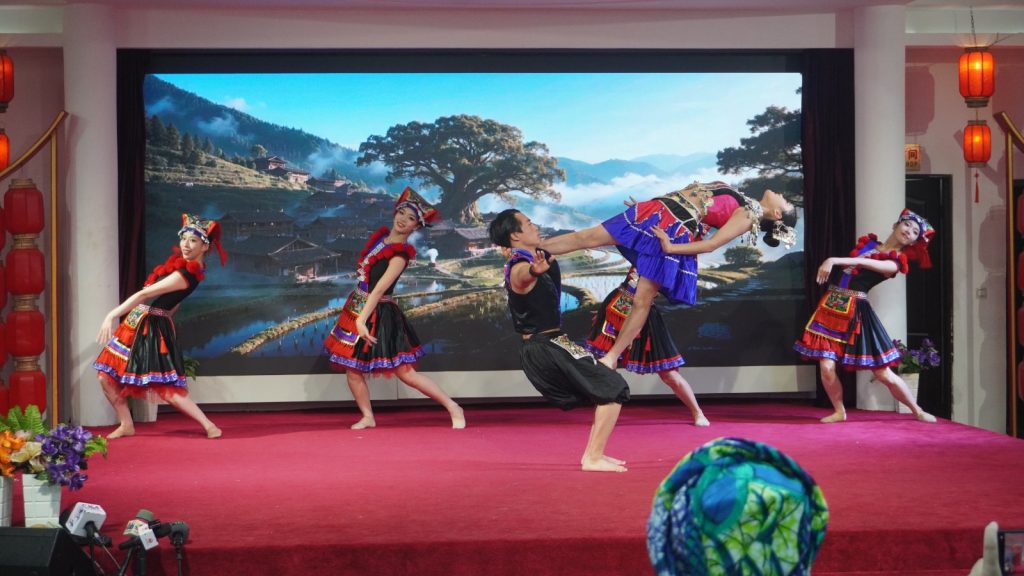
“The Hunan delegation has brought a programme featuring songs, dances, acrobatics and other performances, while Nigerian cultural presentations would also provide an opportunity for the Chinese visitors to experience the country’s cultural diversity,” he said.
He expressed confidence that the performances would provide “an important and vivid window” through which Nigerians and Chinese residents in Abuja could discover and better understand each other’s cultures.
The Chinese Cultural Director urged more Nigerians to visit Hunan to experience its cultural heritage, tourism attractions and hospitality.
“We hope that such exchanges will further strengthen the friendly ties between Hunan and Nigeria, particularly between Hunan and Abuja,” he added.
Culture as a Tool for International Relations
The Permanent Secretary, Federal Ministry of Art, Culture, Tourism and Creative Economy, E. Abdulkarim Ibrahim, said the programme demonstrated the role culture could play in strengthening international relations while creating opportunities for the creative economy.
Ibrahim said cultural exchange should be viewed beyond entertainment, describing it as an avenue for artists and cultural practitioners from both countries to collaborate, learn and create new opportunities.
“Culture has a unique ability to bring people together. It transcends language, geography and differences, allowing us to discover what we share as human beings.
“Nigeria’s diverse cultural heritage, including its music, dance, theatre, festivals, crafts, fashion, film and literature, provides a strong foundation for deeper cultural cooperation with China,” he said.
According to him, Nigeria’s developing creative economy could benefit from greater international partnerships in areas such as tourism, skills development and creative collaboration.
“We therefore see cultural exchange with China not only as an avenue for artistic interaction, but also as an opportunity to explore new partnerships, creative collaboration, tourism opportunities and skills development,” Ibrahim said.
He urged both countries to create more opportunities for artists, museums, theatres, cultural institutions, young people and creative entrepreneurs to interact.
The Permanent Secretary, Social Development Secretariat, FCT Administration, Olubunmi Olowokere, said Abuja could serve as a major platform for strengthening cultural and tourism cooperation between Hunan and Nigeria.
She described culture as “one of the most powerful bridges between peoples”, saying direct cultural encounters could create deeper understanding than merely learning about another country from a distance.
“When a Nigerian watches a Chinese cultural performance, or when a visitor from China experiences Nigerian music and traditional arts, something important happens. We move from simply knowing each other to experiencing each other. And that experience creates understanding,” she said.
Olowokere identified heritage promotion, tourism development, creative industries, skills development and traditional arts preservation as areas where Hunan and the FCT could develop stronger partnerships.
She called for the cultural exchange to become the beginning of sustained institutional cooperation rather than a one-off event.
“Let our artists collaborate, let our cultural institutions exchange knowledge, let young Nigerians and young Chinese creatives have opportunities to learn from one another, let tourism professionals explore joint programmes,” she said.
Nigeria, China Mark 55 Years of Relations
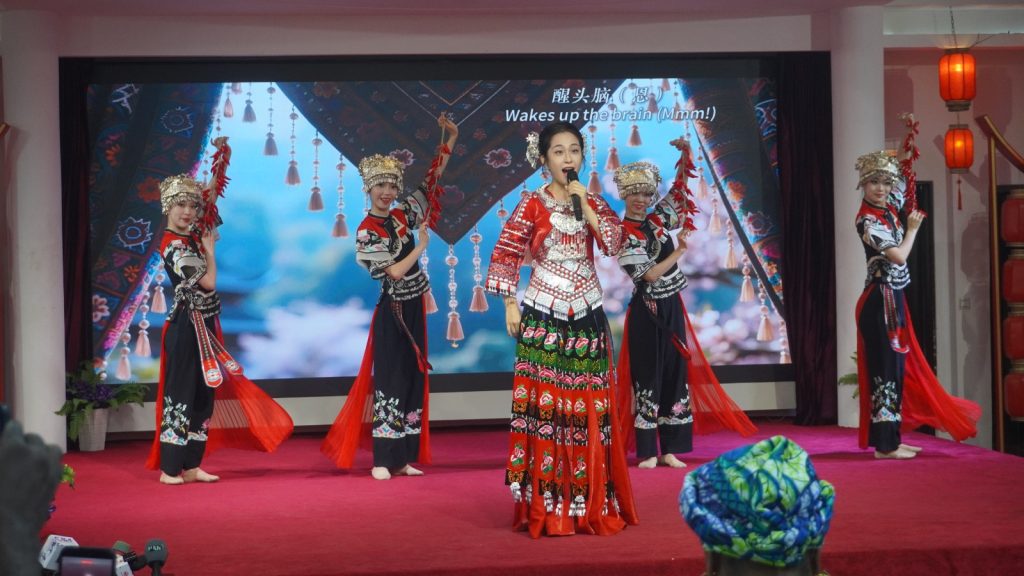
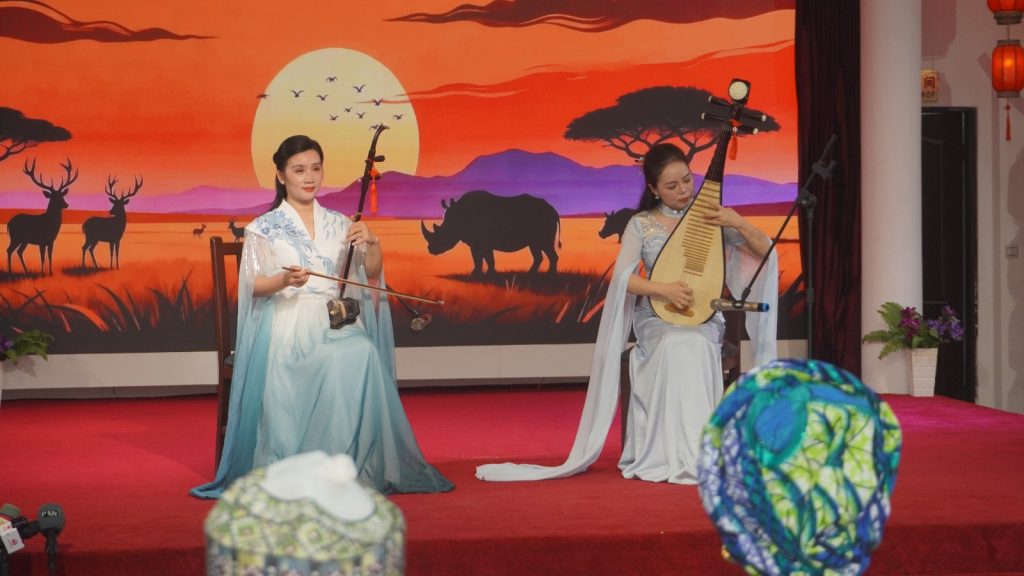
The event featured performances by the Hunan delegation, including songs, dances, acrobatics and other traditional art forms, as well as Nigerian cultural presentations.
The programme is taking place as Nigeria and China commemorate 55 years of diplomatic relations, while 2026 has been designated the China-Africa Year of People-to-People Exchanges.
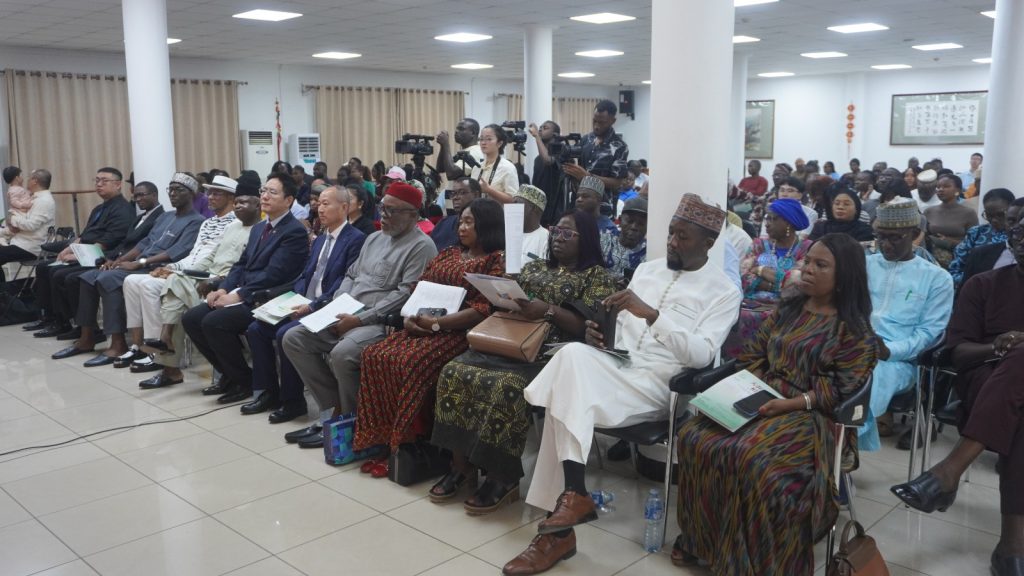
Participants expressed hope that the cultural initiative would lead to more exchanges among artists, cultural institutions, tourism stakeholders and young people, while strengthening the broader relationship between Nigeria and China.