The National Project Coordinator of the Nigeria for Women Programme Scale-Up Project, Dr Hadiza Maina, says Nigeria is deploying films, radio dramas and community engagement to challenge restrictive social norms.
She calls for economic empowerment and behavioural change to go hand in hand to advance women’s development.
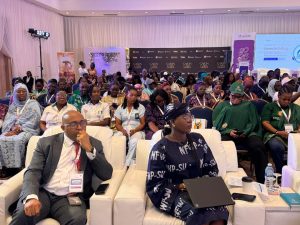
Maina stated this at a side event of the 2026 Social Norms Conference in Abuja, where the programme premiered its edutainment short film, Garin Gaba: The Future We Aspire to See, as part of efforts to promote women’s agency and economic participation.
She described edutainment as a non-confrontational advocacy tool that uses storytelling and emotional intelligence to engage men, boys, traditional and religious leaders and community champions in changing attitudes and practices that constrain women.
“We don’t fight norms; we use intelligence, emotional intelligence, to get the men to do what we want them to do,” Maina said.
She explained that the programme combines community engagement, media advocacy, policy dialogue and practical guidance, including a playbook for addressing restrictive social norms. She said lessons from implementation would inform adjustments to interventions and strengthen pathways for sustainable change.
Maina stressed that financial access alone could not deliver women’s empowerment without addressing the social barriers limiting their choices and participation.
“We therefore need the economic and norm change to advance together,” she said.
Presenting evidence from the Jigawa State edutainment pilot, Florence Adamu of the Centre for Communication and Social Impact said the initiative was designed to take development conversations beyond conference rooms and into communities.
“The question is, what happens when these ideas leave the conference room? What happens when they’re outside and they enter the real communities?” she asked.
Implemented in five communities in one local government area of Jigawa State, the pilot deployed radio drama, mobile cinema, theatre for development and short films, alongside entertainment-based activities within Women Affinity Groups.
Adamu said community members identified two priority norms: the negative labelling of men who consult their wives, locally described as “mijin hajiya”, and restrictions on women engaging in trading and other economic activities.
The project developed 26 radio drama episodes to address these issues through relatable storytelling rather than confrontation.
Adamu said more than 48 calls were recorded across 13 episodes, with listeners raising questions about women’s businesses, shared household responsibilities, child protection and gender-based violence.
She cited a caller who said a storyline had prompted him to ask his wife how he could support her business, describing such conversations as early indications of changing attitudes. Another caller reportedly sought information on how his wife could join a Women Affinity Group.
Adamu said discussions on gender-based violence also drew calls demanding accountability and protection for victims. However, she identified the need for safer, more accessible channels to encourage greater participation by women, noting that men accounted for the highest share of callers.
The film’s premiere, at the conference organised by the Social Norms Anglophone West Africa Learning Collaborative with partner support, highlights the potential of culturally relevant storytelling to stimulate dialogue and challenge practices limiting women’s choices and economic opportunities.